All News

DWU MBBS Year 1 Students Showcase Innovative Solutions to Health System Challenges

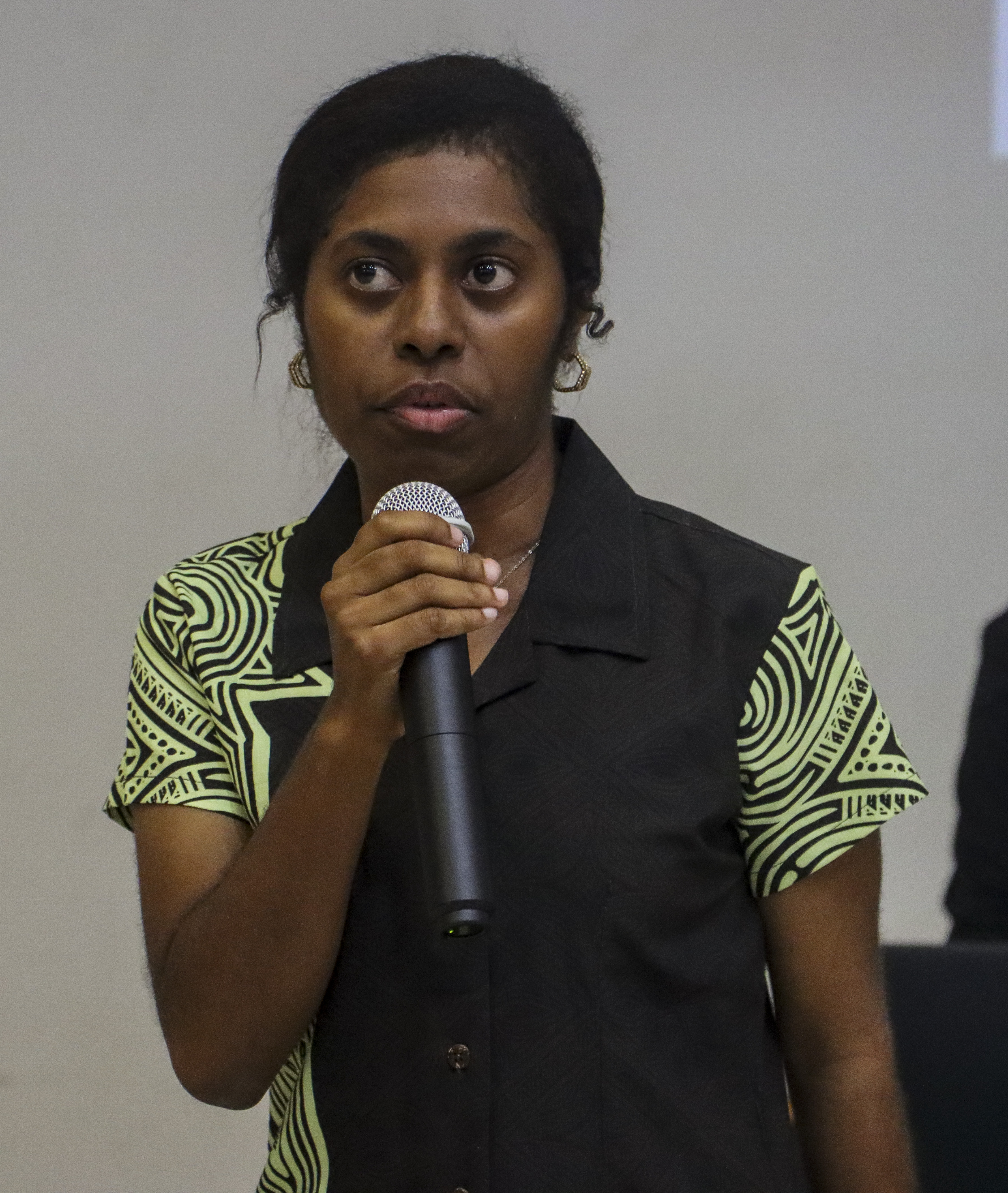
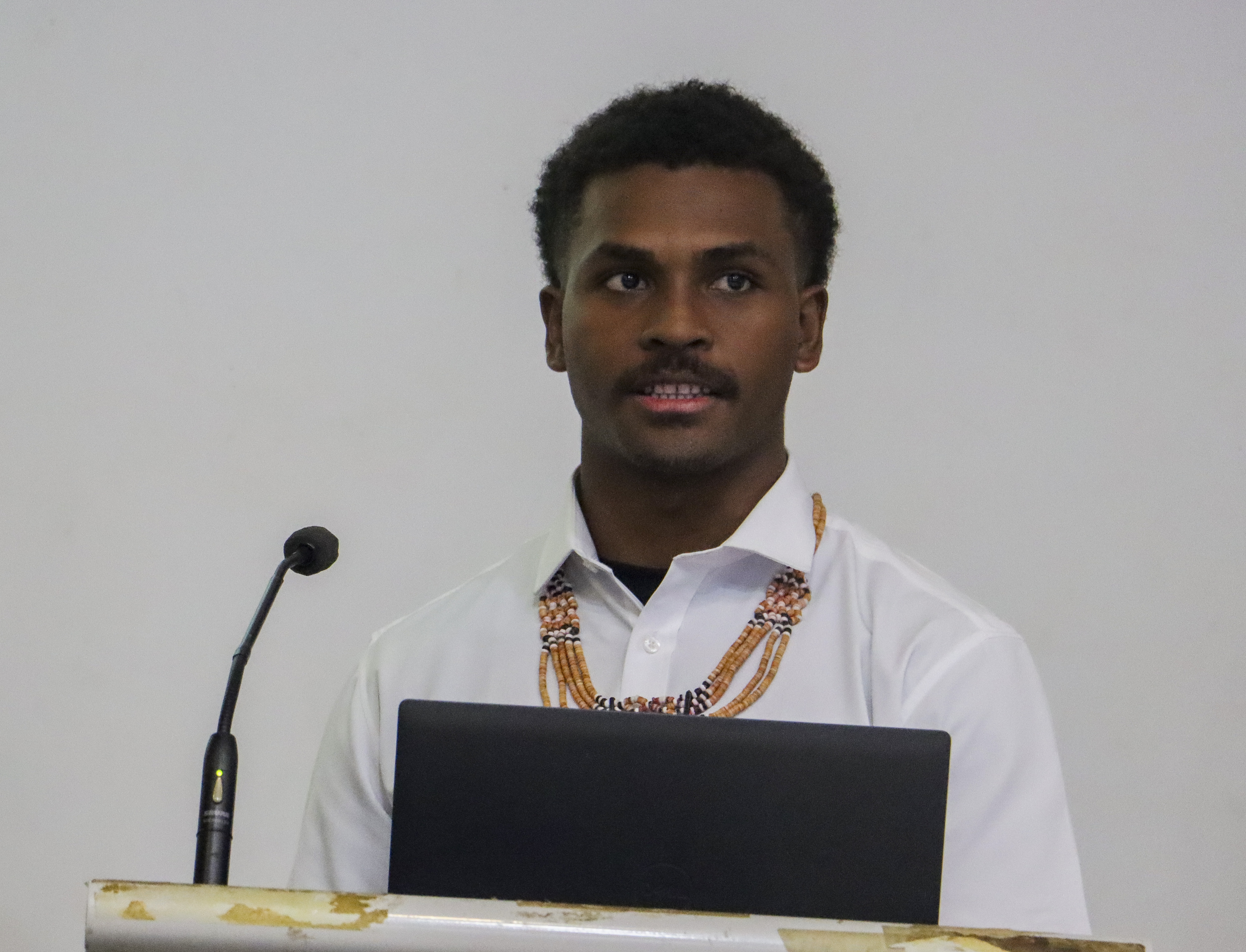
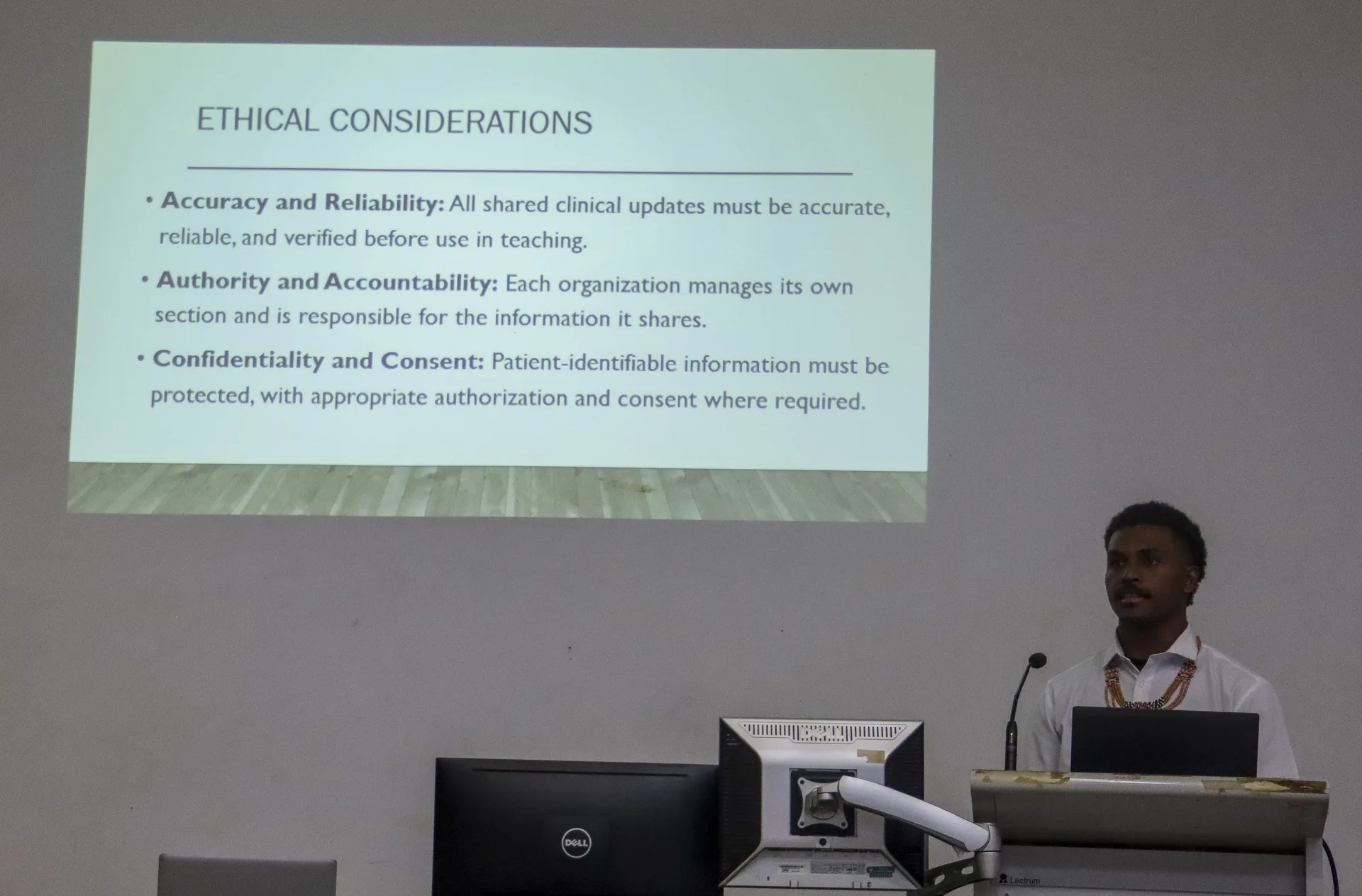
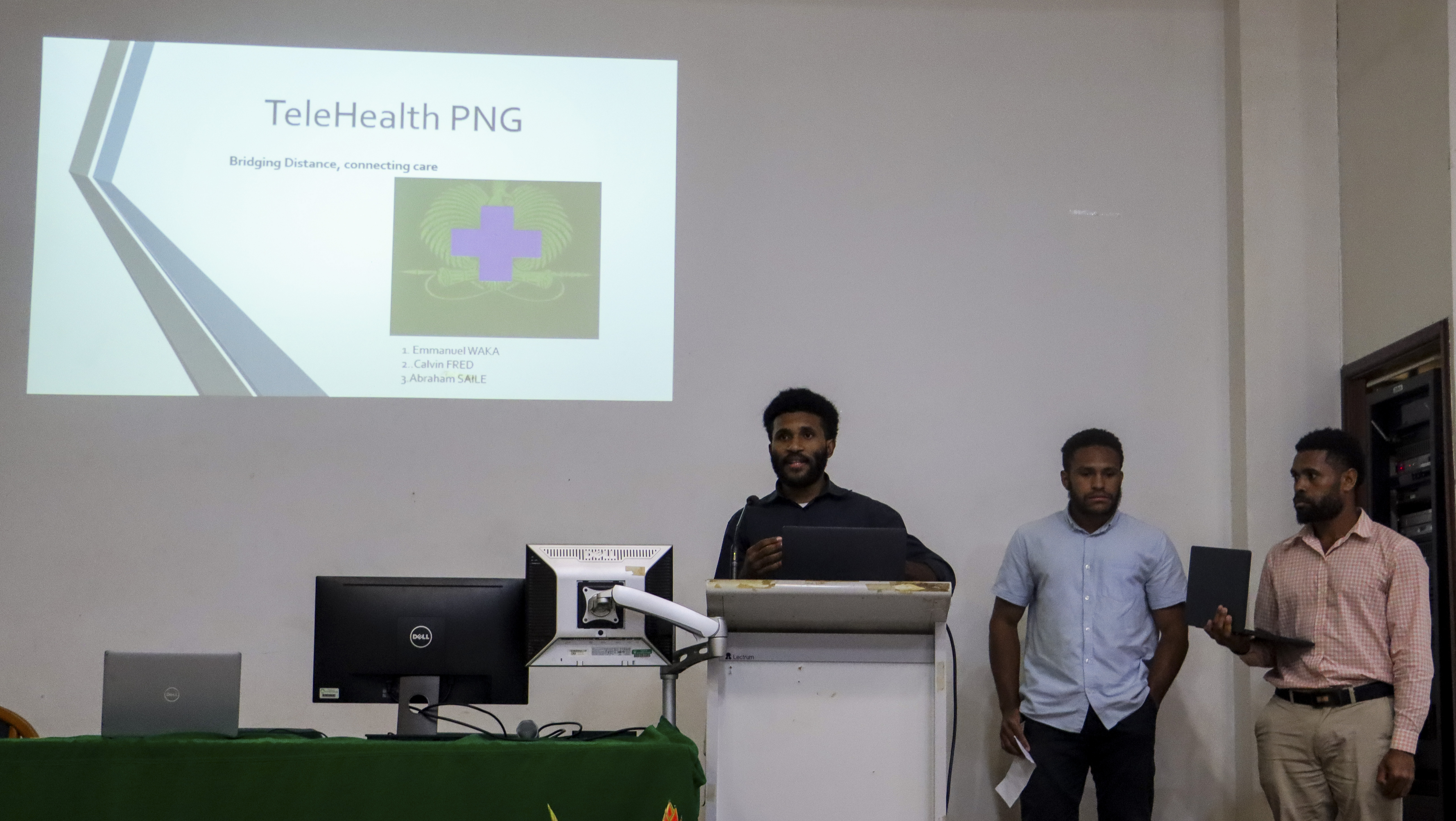
Bachelor of Medicine and Bachelor of Surgery (MBBS) Year 1 students at Divine Word University recently presented innovative project-based learning (PBL) initiatives aimed at addressing some of Papua New Guinea’s most pressing healthcare challenges.

Held at the SPBA Building, the presentations showcased student-designed technological solutions that target fragmented health systems and promote greater efficiency in healthcare delivery. The projects focused on areas such as referral management, data management, inventory control, communication between patients and clinicians, and other critical aspects of healthcare services.

The initiative was introduced by lecturer Mr. Francis James as part of a Project-Based Learning approach designed to strengthen students’ critical thinking, problem-solving, collaboration, and innovation skills. Students were challenged to identify real-world problems within the health sector and develop practical, technology-driven solutions that could improve healthcare accessibility and system performance.

The event featured presentations, simulations, and live demonstrations from student groups, followed by interactive question-and-answer sessions where students defended and explained their proposed solutions.

Mr. James highlighted the importance of empowering future healthcare professionals to think critically about current challenges facing the health sector.

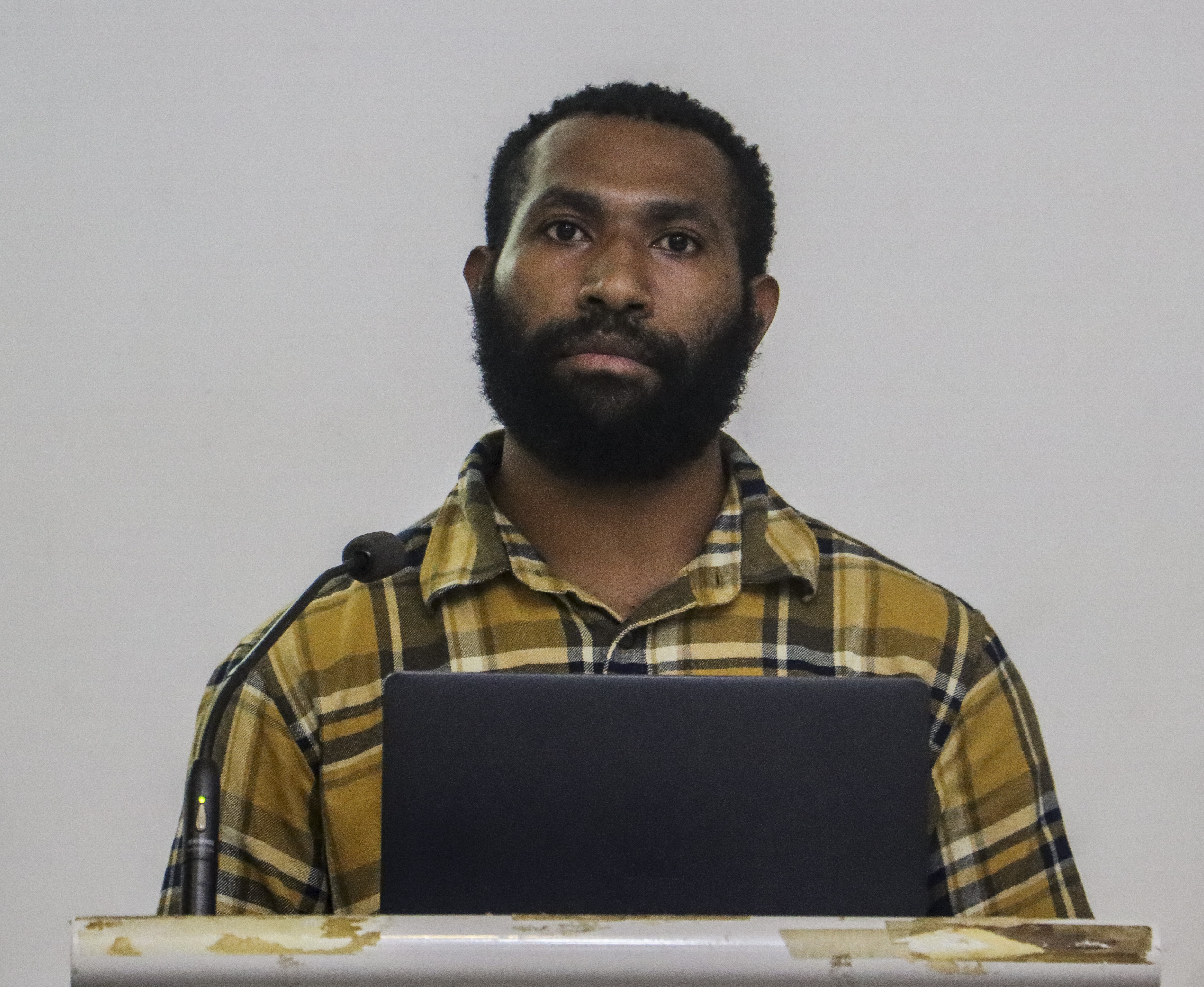
“We presented students with real challenges affecting Papua New Guinea’s health system and asked them to develop practical solutions. These challenges included manual documentation processes, poor medical record management, ineffective referral systems, data management issues, and communication gaps between patients, clinicians, and stakeholders. The solutions presented have the potential to contribute to stronger and more efficient healthcare service delivery in Papua New Guinea,” said Mr. Francis James.

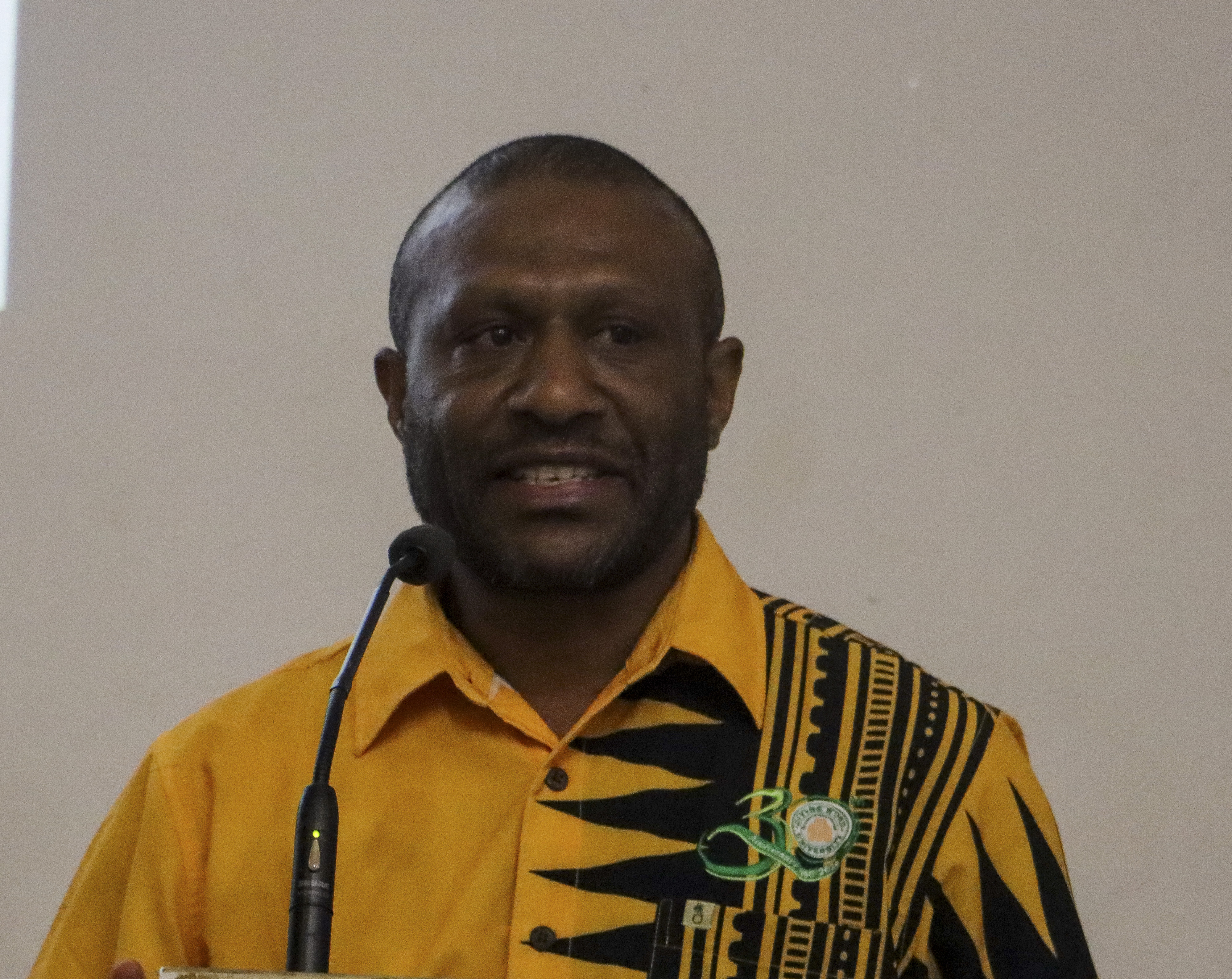
In his closing remarks, MBBS lecturer Dr. Glen Millan commended the students for addressing real-world healthcare challenges through innovative thinking and the use of emerging technologies.

“These are some of the real-life challenges we face in healthcare service delivery across our Provincial Health Authorities. The students have addressed many of these issues through their projects, demonstrating how artificial intelligence and technology can contribute to improving our healthcare systems. It is encouraging to see students embracing AI and information technology at an early stage of their medical education, as these skills will play an important role in the future of healthcare in Papua New Guinea,” said Dr. Glen Millan.

The presentations reflected the creativity, innovation, and problem-solving abilities of the MBBS Year 1 students while demonstrating the value of integrating technology into healthcare education and practice.
Read More

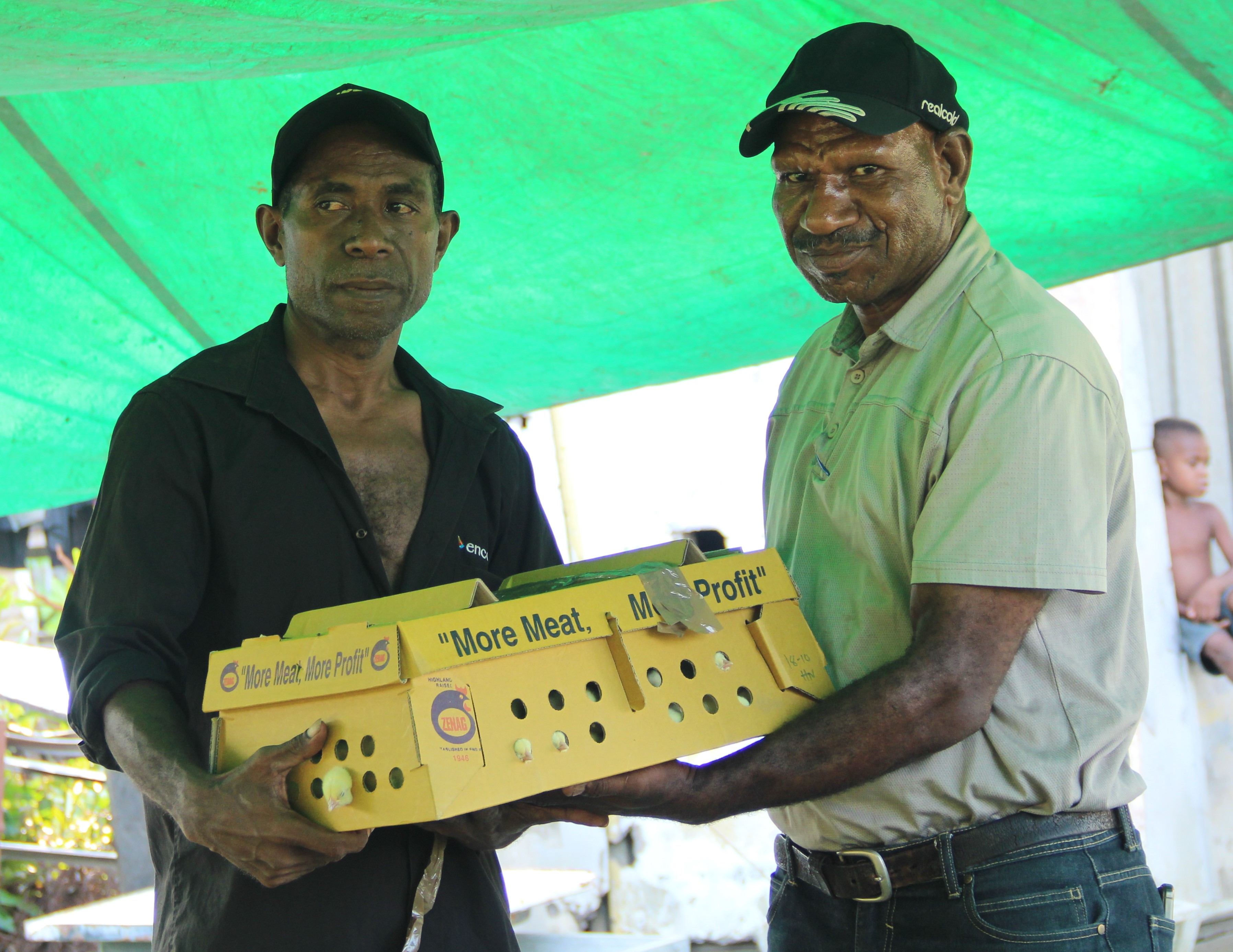
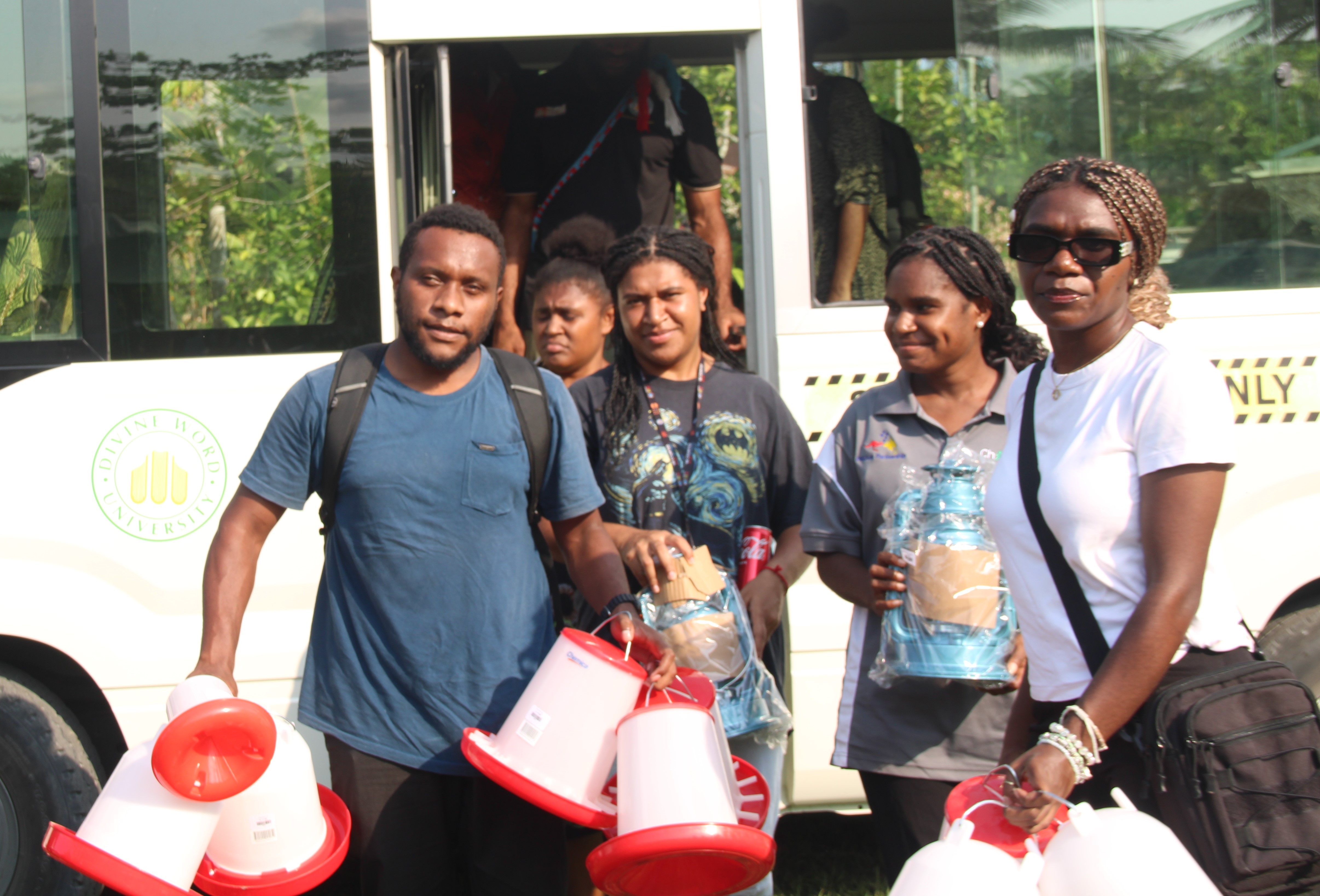
DWU Social and Religious Studies Department Delivers Poultry Livelihood Project to Wagol Community

The Social and Religious Studies (SRS) Department of Divine Word University has successfully delivered a poultry livelihood project to the Wagol Community in Madang Province, reinforcing its commitment to community engagement, sustainable development, and experiential learning.

The initiative forms part of the department's ongoing community outreach program, which aims to empower local communities while providing students with valuable hands-on experience in community awareness, training, and development activities.

The project was coordinated by Ms. Betty Zachery, SRS Department Senior Tutor, through the SRS Community Project Committee, with support from a dedicated team of students who organized a series of fundraising activities to make the project a reality. Through their efforts, the committee was able to mobilize resources and strengthen partnerships with the local community to address livelihood challenges.

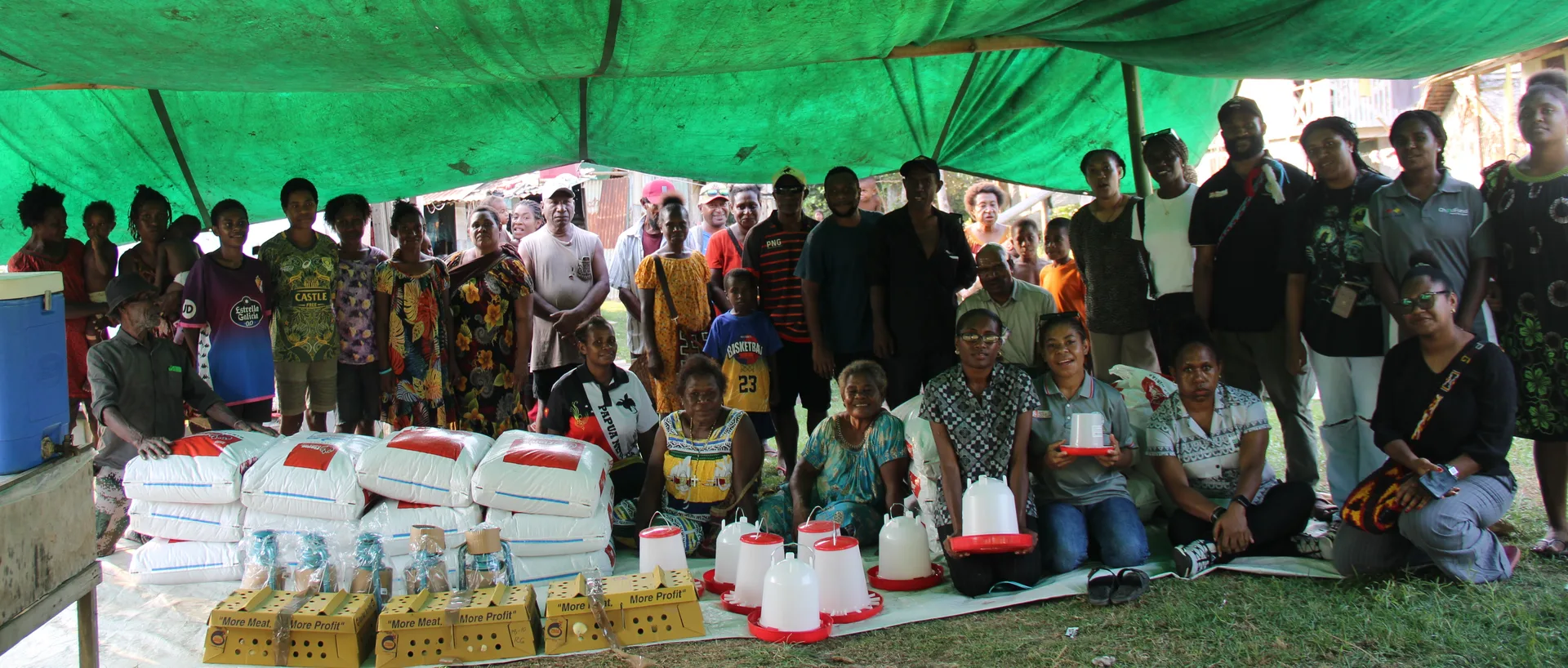
With generous support from the Catholic Bishops Conference (CBC), the committee successfully established a poultry project that will benefit seven families in the Wagol Community. The initiative is expected to improve household incomes, enhance food security, and create sustainable economic opportunities for participating families.

Speaking during the project handover ceremony, Head of the Social and Religious Studies Department, Dr. Gabriel Kuman, commended the students for their commitment and dedication to serving communities beyond the classroom.

"This project reflects Divine Word University's mission of forming leaders for integral human development. Our students have demonstrated that learning extends beyond lectures and assessments. By working directly with communities, they gain practical experience while contributing to meaningful and sustainable change in people's lives," Dr. Kuman said.

Dr. Kuman also acknowledged the support of the Catholic Bishops Conference and all stakeholders who contributed to the successful implementation of the project.

Community representative Mr. Max Sauli expressed his gratitude to the SRS Department and Divine Word University for their continued support through the Behavioral Change Program and other community development initiatives.

"On behalf of the Wagol Community, I would like to sincerely thank Divine Word University and the Social and Religious Studies Department for bringing this project to our community. This poultry project will help families improve their livelihoods and provide opportunities for long-term economic growth. We value our partnership with the University and look forward to strengthening this relationship for the benefit of our people," Mr. Sauli said.

Mr. Sauli also commended community members for their efforts in rebuilding and strengthening their relationship with Divine Word University, highlighting the importance of collaboration in achieving sustainable development outcomes.

Through initiatives such as the poultry livelihood project, the Social and Religious Studies Department continues to foster meaningful partnerships with communities while equipping students with practical skills and experience in development work, community engagement, and service learning. The project serves as a testament to the University's commitment to empowering communities through education, partnership, and sustainable development.

Read More